
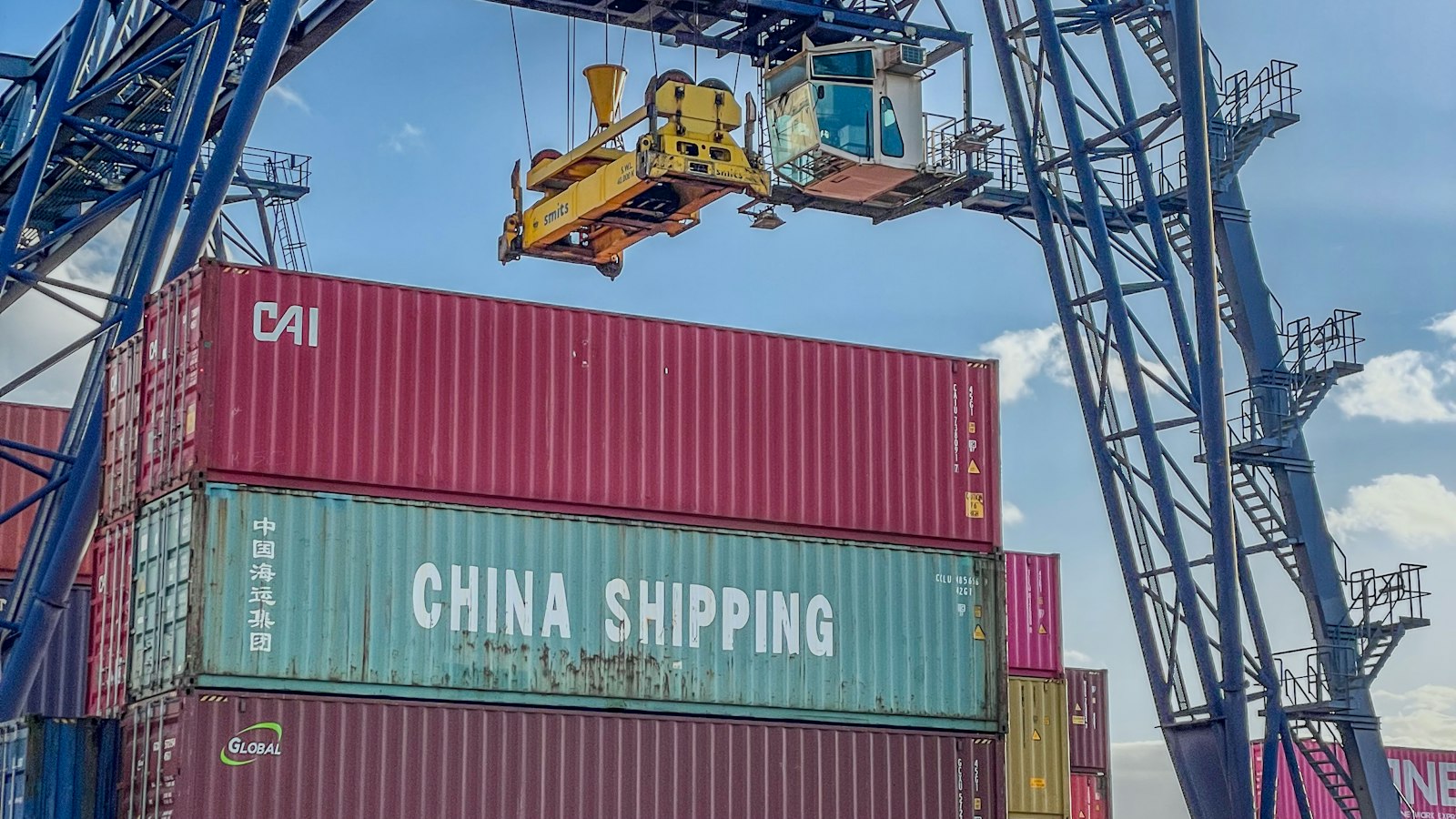
A large share of the consumer goods, electronics, furniture and industrial components sold in the Greater Toronto Area start their journey in China. By the time a container reaches Ontario it has crossed the Pacific, landed at a West Coast port and travelled thousands of kilometres by rail. Yet for the business waiting on that freight, the most stressful part is often the final stage: getting the container from a GTA rail terminal to the loading dock without delays or surprise charges. This guide explains what happens in that window and how importers can manage it well.
From Chinese Port to GTA Rail Ramp
Containers leaving Shanghai, Ningbo, Shenzhen or Qingdao bound for Ontario usually arrive at the ports of Vancouver or Prince Rupert. From there, most are loaded onto eastbound trains operated by Canada's major railways and carried to intermodal terminals in the GTA, commonly in Brampton or Vaughan. Some shipments instead route through US West Coast ports or travel the longer way to Eastern Canadian ports, but the rail-to-GTA pattern is the most common for Ontario importers.
When the train arrives, the container is lifted off the railcar and placed in the terminal yard. At that moment a clock starts. Terminals allow a limited number of free days before storage charges apply, and the shipping line's own free time for its equipment is also running.
Releases Before Pickup
Two releases are needed before a truck can collect the box. The first is customs release from the Canada Border Services Agency, usually arranged by the importer's customs broker. The CBSA importing guidance explains what importers must report and pay. The second is a commercial release from the shipping line, which typically requires freight charges to be settled and the original or electronic bill of lading to be surrendered.
Delays in either release are one of the biggest causes of storage fees. Importers who confirm payment and paperwork while the container is still on the train give their carrier the best chance of collecting it quickly.
The Drayage Move
Once both releases are in place, a drayage carrier books a terminal appointment, arrives with a chassis, collects the container and heads to the delivery address. Having a partner that specializes in container moving services from GTA rail terminals makes a noticeable difference. Experienced drivers know the terminal gates, the documentation required and the busiest times of day, which keeps turn times shorter.
Live unload or drop and pick
For a live unload, the driver waits while your team empties the container. For a drop and pick, the carrier leaves the container on its chassis at your site and returns later to collect the empty. Floor-loaded containers from China, packed carton by carton, can take several hours to unload, so drop and pick is often more practical. It does involve chassis time, so confirm the cost up front.
Returning the empty
After unloading, the empty container must be returned to the location the shipping line specifies, which is not always the same terminal it came from. Missing the return deadline triggers per diem charges. A reliable carrier tracks these dates and plans returns proactively.
Common Challenges for Chinese Imports
Arrival bunching
Rail and vessel schedules sometimes bunch arrivals, so several containers land at once. If your warehouse can only unload two per day, extra boxes sit at the terminal. A carrier with secure yard space can pull them promptly and stage deliveries over several days.
Peak season pressure
The months before the holiday season and the period around Chinese New Year bring sharp swings in volume. Booking capacity early with an established carrier helps protect your delivery schedule.
Weight and packing issues
Overweight or poorly balanced containers create safety problems on Ontario roads. Ask suppliers to share accurate weights and load evenly, and make sure your carrier has suitable chassis for heavy boxes.
Keeping Costs Predictable
A realistic budget for the GTA leg should include drayage, fuel surcharge, chassis, terminal fees, waiting time, yard storage if used and any per diem. Ask your carrier for an itemized quote and a sample invoice so you can see which charges depend on your own actions, such as unloading speed and release timing.
It also helps to share your import calendar. When a carrier knows that ten containers will arrive over the next three weeks, it can reserve equipment and drivers instead of scrambling at short notice.
Choosing the Right Partner in the GTA
Look for a transportation company in Toronto's industrial corridor that owns its trucks, chassis and secured yard. Ask how long it has worked with the Brampton and Vaughan terminals, how it communicates delays and whether it can handle related freight such as full truckloads, partial loads or flatbed moves when your needs expand.
China to Ontario supply chains are long and complex, but the final few kilometres do not have to be. With releases arranged early, a clear plan for unloading and a dependable drayage partner, importers can turn the rail-to-dock stage into one of the most predictable parts of the journey.
Checklist Before Your Next Container Lands
- Confirm customs and shipping line releases while the container is still in transit.
- Decide on live unload or drop and pick for each delivery.
- Agree on yard storage options if several containers arrive together.
- Track terminal free time and empty return deadlines.
- Share your import calendar with your carrier at least a few weeks ahead.