
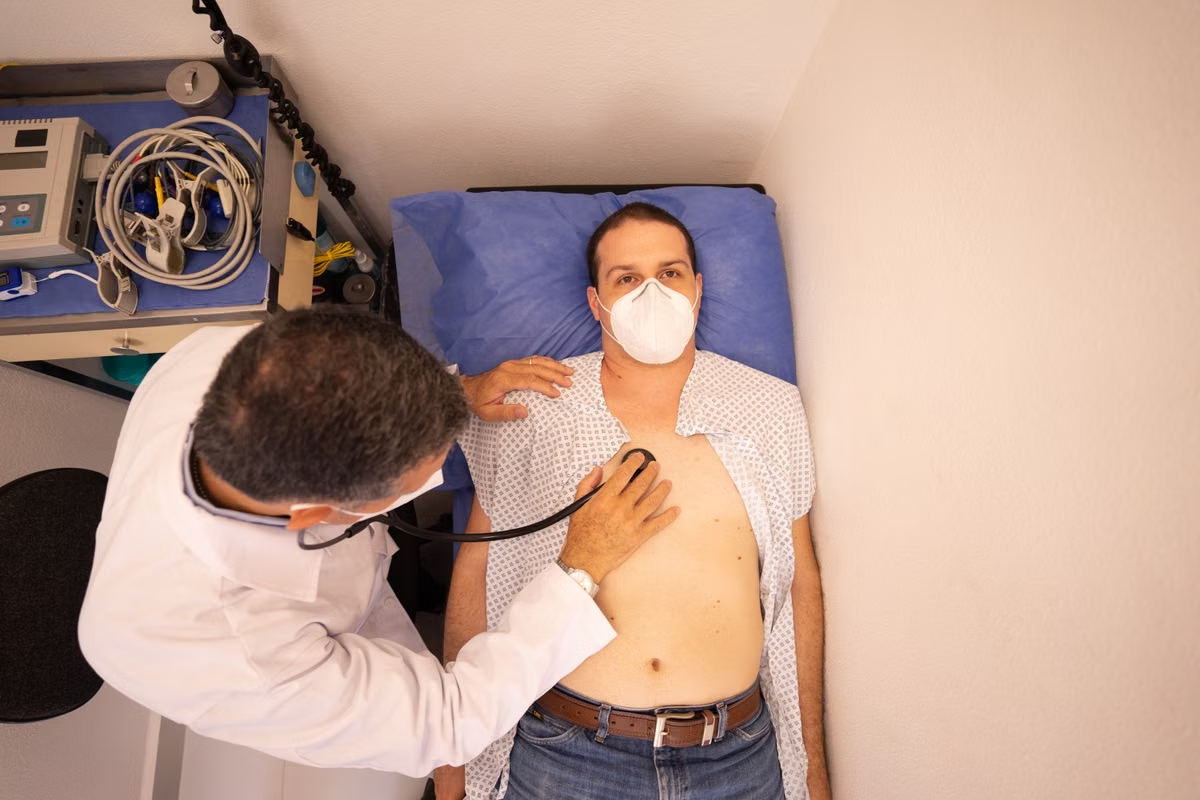
A same-day clinic visit can feel rushed. You wake up with a problem, find an opening, and suddenly you are in a waiting room trying to remember details you meant to mention. A few minutes of preparation can turn that visit into a much more useful one. This checklist walks Los Angeles patients through what to do before, during, and after a walk-in or same-day appointment.
Before you leave home
Start by writing down what is wrong in plain words. Note when the problem began, whether it is getting better or worse, and anything that seems to trigger it. A symptom described as "a sharp pain in my right ankle since last night's hike, worse when I put weight on it" gives a provider far more to work with than "my leg hurts."
Next, check the clinic's current information. Call or look at its website to confirm that it is open, that it sees patients without an appointment, and that it treats your type of concern. Ask whether the clinic accepts your insurance and whether any forms can be completed online ahead of time. A short call can save a wasted trip across town in traffic.
What to bring with you
Pack a small folder or keep these items together in your bag or phone:
- A government photo ID and your insurance card
- A current medication list with names, doses, and how often you take each one
- Any known drug allergies and past reactions
- Notes on past surgeries, chronic conditions, or recent hospital stays
- The name and phone number of your regular doctor and preferred pharmacy
- A phone charger, a book, and a light layer, since waiting rooms can be cool
If you are bringing a child, add their vaccination record and weight if you know it, since many dosing decisions depend on weight.
Making the most of the exam
Once you are in the room, lead with your main concern. Providers often have limited time, so say the most important thing first and add smaller issues afterward. Be honest about everything you take, including over-the-counter products, vitamins, and herbal remedies, because these can interact with prescriptions.
Do not be shy about asking questions. Useful ones include: What do you think is causing this? Do I need any tests today? What should I expect over the next few days? What warning signs mean I should come back or go to the emergency room? If you do not understand an answer, ask the provider to explain it again in simpler terms. Taking brief notes or asking for written instructions helps when you are tired or in pain.
Understanding tests and prescriptions
If the provider orders a test, ask what it is looking for and when results will be ready. Some results come back during the visit, while others take a day or more. Confirm how you will receive them, whether by phone, a patient portal, or a follow-up call.
When a medicine is prescribed, make sure you know its name, the dose, how long to take it, and any side effects to watch for. Ask whether it is safe to take with your other medications. If an antibiotic is prescribed, finish the full course unless the provider tells you otherwise, even if you feel better early.
Why a same-day visit should connect to your regular care
A walk-in visit solves the problem in front of you, but it should not be the only medical care you receive. Many people use same-day clinics because they do not have a regular doctor, or because their doctor cannot offer quick appointments. Building a relationship with a primary care provider gives you someone who knows your history, tracks long-term conditions such as blood pressure or diabetes, and can spot patterns that a single visit might miss.
If you do not have a regular provider, treat your same-day visit as a chance to ask for a recommendation. Share the records from your visit with whoever you choose, so the new office starts with a clear picture of your recent health.
Do not skip preventive care
Many people only see a clinician when something goes wrong. Preventive visits catch problems before they cause symptoms and keep vaccinations and screenings current. Scheduling an annual physical exam is one of the simplest ways to stay ahead of health issues, and it is often required for school, sports, or work. If your same-day visit raises a concern, such as repeated infections or unexplained fatigue, ask whether a full physical would help sort out the cause.
After the visit
Before you leave the clinic, confirm that you have your discharge instructions, prescriptions, and any work or school note you need. At home, put the instructions somewhere you will see them, and set phone reminders for medication times and follow-up dates.
Keep an eye on how you feel. Mild improvement within a day or two is a good sign. If symptoms worsen, new symptoms appear, or the return warning signs you were given show up, contact the clinic or seek emergency care right away. Finally, save a copy of your visit summary in a folder or phone note so you can share it with future providers.
A quick checklist to keep
Describe your symptoms clearly, confirm the clinic details by phone, bring your ID, insurance, medication list, and allergy information, ask direct questions during the exam, understand every prescription, and follow up with your regular provider. Doing these few things consistently makes every same-day visit faster, safer, and more helpful, whatever the reason you walked in.